Choosing Pillow Fills: A Practical Guide to Down-Free Options for Allergy Sufferers
A closer look at pillow fills that dodge down, with an emphasis on allergy-friendly materials, breathability, and sleep-health outcomes. This article weaves material science, sleep physiology, and consumer education into a navigable, editorial guide for discerning readers who seek clarity amid a crowded market.
Why Down-Free Matters
Across the sleeping world, down and feather fills have long stood as the benchmark for loft and softness. Yet for allergy sufferers and for sleepers who crave cooler, more predictable performance, down-free options offer practical advantages. Down can trap dust, dander, and microbes, and its loft may vary with humidity and washing cycles. In contrast, curated down-free fillings—such as shredded latex, Kapok, memory foam variants, and latex-Tencel blends—often deliver stable height, improved airflow, and more consistent support throughout the night.
Domain-focused outlets like downfreepillow.com are well-positioned to serve as informational hubs. The aim is not to sell a particular pillow, but to illuminate the landscape: how fills differ in loft and firmness, how they regulate temperature, and how to interpret care instructions and certifications. The goal is to empower informed choices—especially for readers managing allergies, asthma, or chemical sensitivities.
Common Down-Free Fills: What to know
Below is a concise taxonomy of typical down-free pillow fills, with quick notes on their behavior in practice:
- Shredded latex and latex blends (e.g., Dunlop/Talalay combinations): Contourable, supportive, and often breathable. They respond to pressure without significant clumping, but some sleepers may notice a subtle rubbery feel or temperature variance unless the cover promotes airflow.
- Kapok and organic kapok blends: Light, airy, and naturally buoyant. Kapok tends to be less dense, offering a softer, cloud-like feel that can be customized through layer-counts and pillow construction.
- Memory foam (or memory-foam blends) without down: Contouring and pressure relief, particularly for neck support. Breathability varies with open-cell structures and cover materials; often best with cooling or breathable fabrics.
- Shredded memory foam or fiber blends: Hybridized to balance contouring with resilience, reducing hot spots for many sleepers.
- Natural fibers (e.g., wool, milkweed, alpaca wool): Temperature-regulating, breathable, and often antimicrobial-sounding, though performance can be highly variable by fiber processing and cover quality.
- Down-alternative fills (micro-denier fibers): Designed to approximate the feel of down without the allergens. The quality varies widely; look for label claims about loft retention and washability.
How to Choose a Pillow Fill Based on Sleep Position and Sensitivities
Selection hinges on three practical axes: sleep position, allergy sensitivity, and thermal preference. The following quick-start guide translates those axes into actionable steps.
- Back sleepers: Seek balanced support with a medium loft that cushions the neck without forcing the head forward. A shredded latex or latex-Tencel blend often delivers steady support with air circulation to prevent overheating.
- Side sleepers: Look for a higher loft and firmer support to maintain spinal alignment. Options like shredded latex with a gusset, natural fills (e.g., kapok) layered for height, or a medium-firm memory-foam blend can work well.
- Stomach sleepers: Prefer lower loft and a softer feel. Kapok-based or down-alternative fills may accommodate a flatter profile while reducing neck strain, though memory-foam variants can sometimes cause hyperextension if too tall.
- Allergy and sensitivity considerations: Prioritize pillow fills marketed as hypoallergenic or with certifications indicating cleanliness and low allergen load. Down-free options with certified organic covers can reduce exposure to dust mites and chemical treatments.
- Maintenance and care: Evaluate washing guidance. A pillow that tolerates machine washing on a gentle cycle can simplify long-term upkeep and reduce allergen buildup; however, all-cotton or linen shells may degrade with aggressive washing, so follow manufacturer directions carefully.
A Pragmatic Buying Guide: Reading Labels and Certifications
As with any bedding purchase, the label tells a story. The best-down-free pillows disclose the fill composition and the shell fabric clearly. Certifications matter; for example, the Responsible Down Standard (RDS) is relevant for down items, while down-free products may carry tangential certifications around organic cotton, OEKO-TEX, or GOTS for fabrics. Consumers should look for transparency about sourcing, cleaning, and safety. When evaluating a pillow, ask:
- What is the exact fill composition and loft range?
- Is the cover breathable and washable? Is the pillow itself machine-washable?
- Are there independent certifications or third-party verifications for the materials or processing?
- What is the recommended care, and how does the loft feel after a wash?
A Short Glossary of Terms
To compare across brands such as Naturepedic, Sleep and Beyond, Savvy Rest, and The Clean Bedroom, here is a quick glossary:
- : A measure of loft and fluffiness, often used for down. Higher fill power indicates more loft and insulation per ounce.
- : A fabric insert around the pillow to sustain loft and maintain consistent height from edge to center.
- : Pillows that avoid any down or feather filling, often using shredded latex, Kapok, wool, or synthetic fills.
- : A protective barrier for pillow interiors, typically machine-washable and helps reduce staining and allergen buildup.
- : Responsible Down Standard, a third-party certification for down products to assure animal welfare and responsible sourcing.
A Practical, Editorial Look at Three Notable Voices Across Time
In the tradition of National Geographic's editorial voice—curious, grounded, and inclusive—three time-spanning perspectives illuminate the conversation around pillow fills. Each voice offers a distinct lens on sleep, material culture, and human well-being.
1) Hippocrates of the Classical World (c. 460–370 BCE): The Early Understanding of Sleep and Rest
Though centuries removed from modern textiles, Hippocrates advocated the balance of humors and restful routines as the foundation of health. In the context of pillow fills, his emphasis on moderation and equilibrium foreshadows the contemporary aim: to balance support with breathability, warmth with coolness, and comfort with health. A pillow that supports the neck without overheating embodies the Hippocratic ideal of “do no harm”—keeping the sleeper in a state of restorative equilibrium rather than over-stimulation or stress.
2) Florence Nightingale (1820–1910): The Architect of Hygiene in Sleep Environments
Nightingale’s enduring emphasis on sanitation and environment translates into today's textile ethics and product transparency. Down-free pillows, with hypoallergenic fills and clean covers, exemplify a hygiene-minded approach to sleep: less exposure to allergens, easier cleaning, and a cautious approach to chemical treatments. Her legacy informs readers to value materials that align with a rigorous standard of cleanliness and care, rather than simply seeking a luxurious feel.
3) Contemporary Sleep Science: Dr. Sara Mednick (b. 1969)—Sleep Laboratory Insights
Dr. Mednick’s research into circadian rhythms and sleep optimization underscores a modern, evidence-based approach to pillow selection. Temperature regulation, foam-free cooling layers, and breathable natural shells are not merely marketing; they reflect findings on how sleep temperature and posture influence sleep cycles and metabolic signaling. The down-free movement aligns with a scientific emphasis on breathable, stable loft that can help maintain a consistent sleep state across the night, a practical application of sleep science to everyday bedding decisions.
Product Spotlight: The Japanese Size Support Pillow (4701)
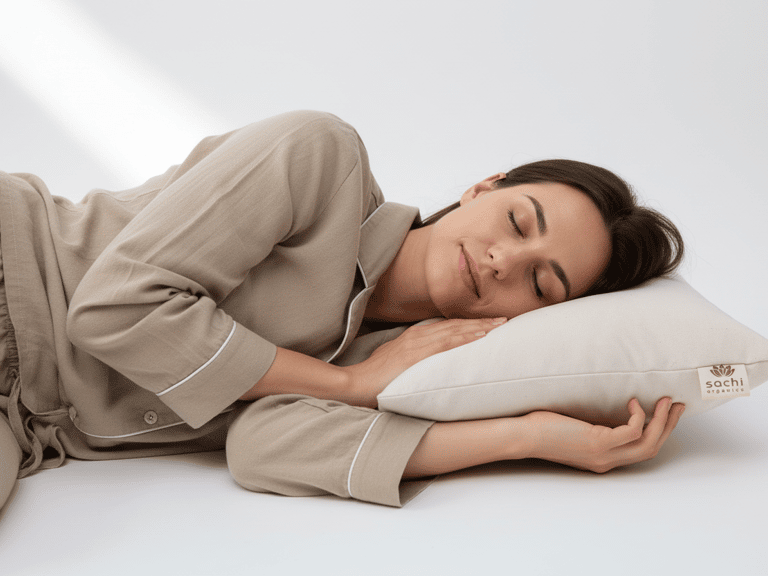
Among the diverse down-free options, one compact, purpose-built pillow stands out for its precise design: the Japanese Size Support Pillow from Sachi Organics. This pillow embodies a tactile, behaviorally tailored approach—an adjustable loft achieved through buckwheat hulls or millet hulls, housed in an organic cotton canvas cover. Its small footprint and firm, adaptive support cater to readers seeking targeted cervical alignment in a minimal form factor.
Key details:
- Fill options: buckwheat hulls for a cooler, firmer feel or millet hulls for a quieter, evenly firm support.
- Loft is adjustable via a zipper, ensuring alignment with natural neck curvature.
- Outer shell: organic cotton canvas cover; free from flame retardants and harmful chemicals.
For readers who value a compact pillow that can slot into travel bags or guest accommodations, this model offers a deliberate, localized solution—an emblem of how down-free materials can be engineered with traditional ergonomics in mind.
Origin: Handmade in Albuquerque, New Mexico
Price: $103.50
Care: Free from flame retardants and harmful chemicals; follow standard pillow care guidelines.
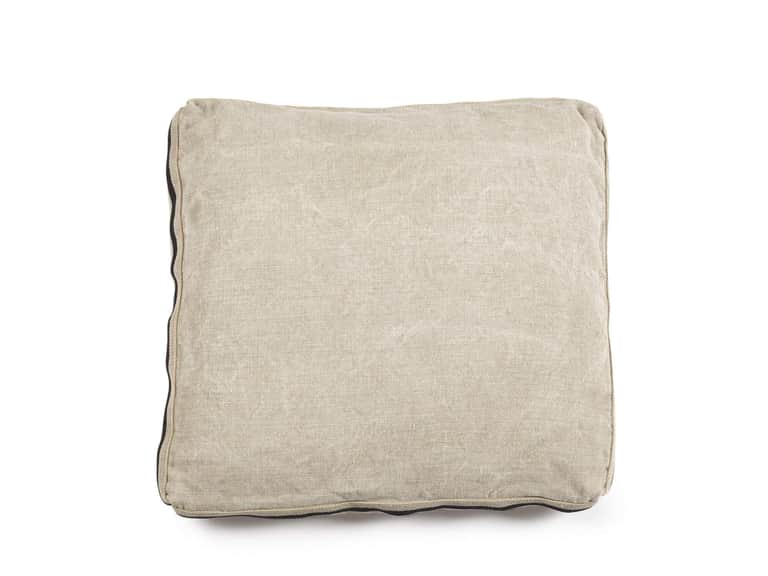
Note: The James Pillow cover shown here is a separate accessory and not the feature product in this spotlight. It illustrates how pillow covers can influence breathability and tactile feel, reinforcing the broader point that the shell material matters as much as the fill.
Building Your 10-Article Starter Plan
To establish a robust editorial presence around down-free pillows, the following starter plan aligns with Direction A: an informational hub that educates without selling. The topics blend material science, consumer education, and practical guides, drawing on credible voice and evidence-based guidance.
- 10 core pillar articles: Deep dives into shredded latex, Kapok, memory foam variants, latex-Tencel blends, and hybrid constructions; maintenance guides and common myths vs. facts; material-specific allergen considerations; sustainability and certifications; sleep-position tailored recommendations; label-reading checklists; and an FAQ roundup.
- Publishing cadence: 1 feature article per week for 10 weeks, followed by a biweekly cadence for evergreen updates and new material highlights.
- Content formats: long-form guides, concise how-to pieces, expert roundups, glossaries, and practical checklists; occasional evergreen infographics and downloadable checklists that summarize key criteria for evaluating down-free pillows.
Conclusion: A Down-Free Future for Sleep Health
In an era of heightened attention to sleep health and environmental stewardship, a well-curated down-free pillow guide serves not as a sales pitch but as a compass. It helps readers navigate the marketplace with clarity, understand the science of fill and loft, and choose products that align with their health, comfort, and sustainability values. The microphone is now in the hands of readers who demand honesty, transparency, and a non-commercial approach to better sleep.
This article, grounded in the aim of education and responsible consumption, invites readers to explore a broad spectrum of pillows—ranging from compact Japanese hull-fill models to expansive, multi-chamber memory-foam hybrids. It also highlights that a trustworthy pillow journey begins with understanding fills, reviewing labels, and knowing what to ask retailers and manufacturers when shopping for down-free sleep comfort.
Artwork of the Loom: How to Visualize the Pillows
While the article does not include images here, imagine a spectrum of pillow designs mapped by fill type and loft. On one side, compact, ultra-firm hull-fill models provide precise neck support. On the opposite side, high-loft shredded latex and hybrid fills offer cloud-like comfort with stable shape retention. In between, Kapok and wool-based designs offer a breathable, natural alternative with unique temperature regulation. The common thread is a thread of human-centered design: materials chosen for health, comfort, and long-term sleep quality.
About the Domain, Forward-Looking
The domain downfreepillow.com invites a precise yet expansive conversation: a hub for consumers seeking down-free solutions, allergy-conscious choices, and scientifically grounded material education. By emphasizing down-free options and staying away from revenue-based persuasion, the site can cultivate trust among readers who want guidance without pressure to buy.
Reader Resources and Next Steps
- Explore the Japanese Size Support Pillow (4701) as a case study in compact, adjustable loft design.
- Consider certifications (OEKO-TEX, GOTS, and the like) when evaluating fabric covers and natural fills.
- Maintain an evidence-based posture: orient pillows to keep the cervical spine in a neutral alignment and avoid excessively high lofts that could cause neck strain.
- Follow a simple maintenance routine: regularly wash pillow protectors and address pillow loft changes through re-stuffing or replacement as needed.
This article is presented in the spirit of education, balance, and a scientifically grounded approach to sleep health. It was crafted to mirror a National Geographic editorial sensibility: precise, immersive, and anchored in the human experience of rest and recovery.