 Bedding
Free New Bedcover
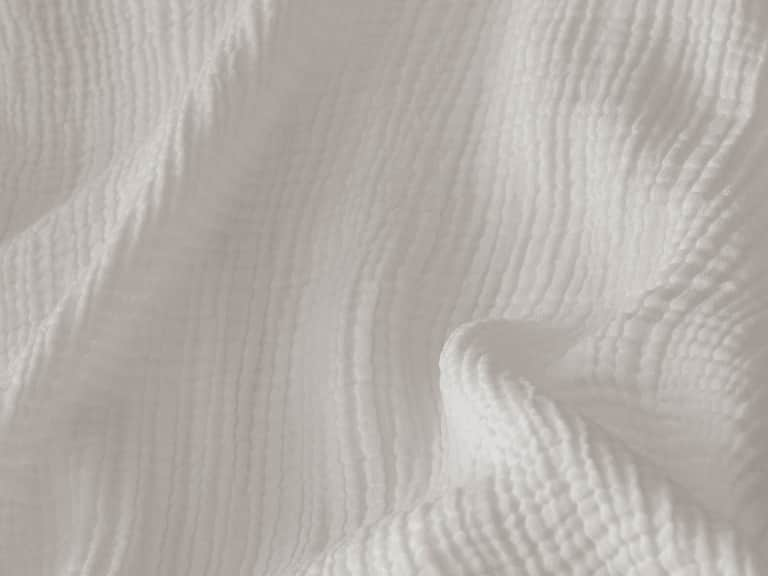
Enjoy a light, cool layer for warm nights. Four airy layers of cotton voile feel soft against your skin, while the gently raised pattern adds inviting texture to your bed.
Blankets and quilts are essential bedding layers that add warmth, comfort, and visual texture to a sleep space. Their weight, thickness, and construction influence how they feel and perform across different seasons. Understanding these characteristics helps people coordinate blankets and quilts with pillows, sheets, and other bedding.
Blankets are generally flexible, single-layer coverings, while quilts commonly use stitched layers that hold insulating fill in place. Materials and construction affect breathability, warmth, weight, and care requirements. These qualities are useful considerations when choosing bedding for changing temperatures, personal comfort preferences, or everyday household use.
The category includes the product named Free New Bedcover, a bedcover intended as a layer for a bed. Its name alone does not specify fabric, fill, dimensions, or washing instructions, so those details should be checked in its product information. As bedding, a bedcover can help provide surface coverage and coordinate a layered setup.
Blankets and quilts can be used on their own or combined with sheets and pillows to create adaptable bedding. A lighter layer may suit warmer conditions, while additional coverage can provide more insulation when temperatures fall. Considering warmth, size, texture, and maintenance helps support comfortable, practical use throughout the year.
When comparing bedding, consider how a blanket or quilt works with existing sheets and pillows, including memory foam pillows or latex pillows. These items serve different purposes: pillows support the head and neck, while bedcovers provide warmth or surface coverage. Material care guidance and fit are important for maintaining comfort and usability.
Bedding